How Music Became the Loudest Form of Protest in Venezuela
Venezuelan music isn’t just entertainment—it’s a running commentary on life under pressure. Empty supermarket shelves, rolling blackouts, and tense political rallies are all part of the backdrop. Songs have been a way to complain, laugh, and sometimes cry collectively, translating daily life into melody.
The Rise of Political Awareness
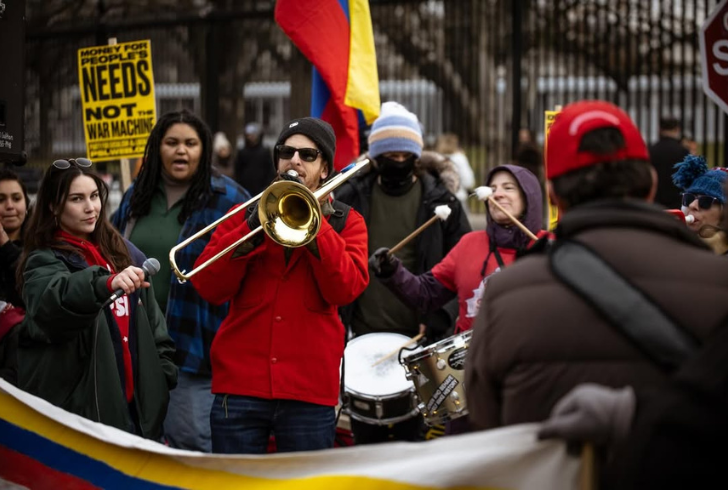
Instagram | @garrett24fps | Venezuelan music has long reflected people’s emotions and protest spirit during turmoil, giving voice to resilience and struggle.
Back in the 1980s and 1990s, things were rough. Inflation was creeping, and people were tired of politicians making promises they never kept. Chávez showed up, tried a coup in ’92, got pardoned, and somehow won the presidency in 1998. And honestly, it’s hard to overstate how much that felt like a tidal wave to regular folks.
Yordano’s “Por Estas Calles” was everywhere. The song wasn’t shouting about politics; it was telling stories about life in the streets: neighbors arguing over a loaf of bread, kids dodging potholes, someone laughing at the absurdity of it all. It hit because people saw themselves there.
Later, Carlos Baute’s “Yo Me Quedo En Venezuela” came along with its easy rhythms and communal choruses. It felt like a hug—or at least a reminder that maybe, just maybe, people could get through it together. Not revolutionary fire, but a morale boost that counted for something.
Music Amid Political Shifts
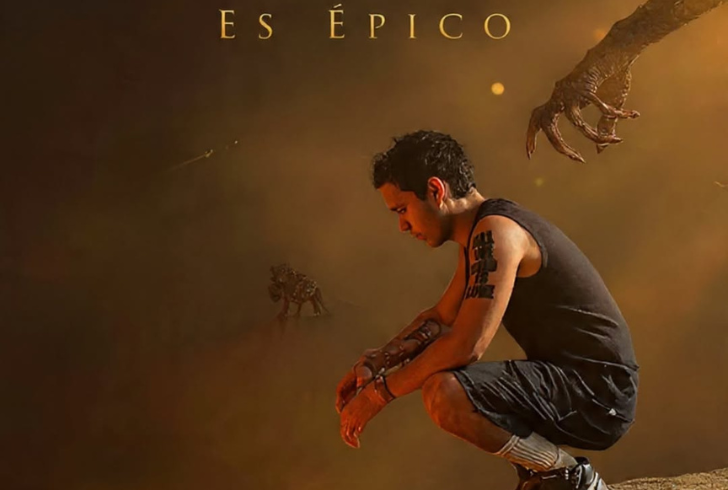
Instagram | @canserberooficial | Canserbero became a powerful voice in protest rap, using raw truth and hard lyrics to reflect injustice.
Once Chávez really started flexing his power, it felt like the media was disappearing overnight. TV stations that once dared to question authority went silent, radio channels vanished, and opposition musicians had to figure out new ways to be heard.
Canserbero appeared in that vacuum, taking reggaeton, hip-hop, and rock and turning them into a soundtrack of the streets. Es Épico spoke to young people who felt ignored, unsafe, and frustrated to the bone. Then, in 2015, he died—violently, under circumstances still whispered about—and that cemented him as a legend. His songs weren’t just music anymore; they were little time capsules of what life felt like back then.
When Maduro took over, daily life worsened. Queues for food stretched for blocks, electricity cut out for days at a time, and protests erupted, often with tragic consequences. In this environment, Betsayda Machado y Parranda El Clavo’s Sentimiento arrived quietly but powerfully, mourning the losses people were living through.
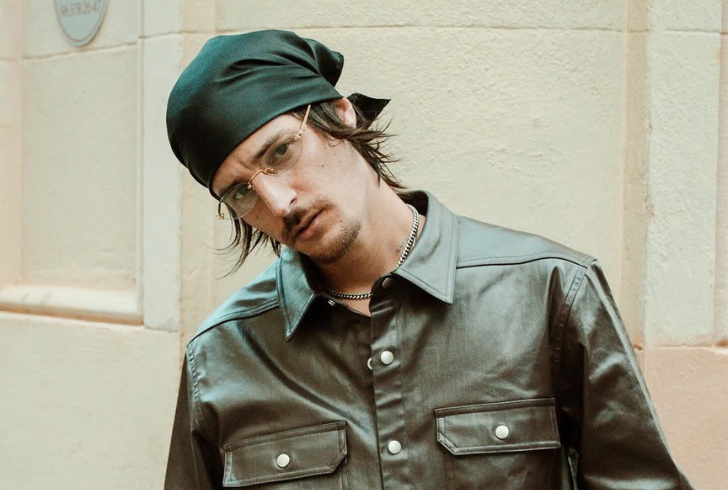
Instagram | @dannocean | Danny Ocean’s street performance captures how music brings unity and resistance during moments of regional tension.
Music as a Mirror of Society
Music shows life in all its contradictions: scarcity, joy, frustration, and resilience. Yordano observes the small details, Canserbero narrates street realities, Ocean channels political frustration into pop hooks. Together, they create a layered portrait of Venezuelan society.
The Role of Artists and Media
People like Isabella Gomez Sarmiento and NPR’s Felix Contreras talk about these patterns academically, but being on the ground is different. Social media has become essential. Artists can reach audiences without needing licenses or government approval. Every repost, every story, is like a tiny act of rebellion.
Music as a Lens on Venezuela’s Future
In the end, Venezuelan music isn’t just music. It’s proof that people persist. It records pain, joy, protest, and resilience. It will keep evolving, probably in ways no one predicts—because the country itself refuses to be predictable. Each song is messy, imperfect, alive. And that’s exactly why it matters.