Novak Djokovic’s Move to Athens Sparks Political Controversy in Serbia
Novak Djokovic’s connection to Serbia’s leadership has taken a very public turn. The 24-time Grand Slam champion, Serbia’s most famous sports figure, faced backlash after showing support for student protests.
Soon after, President Aleksandar Vucic addressed the matter, blending praise for Djokovic’s tennis career with firm statements about his political position.
This episode adds a new chapter to the ongoing story of Djokovic’s relationship with his home country.
Djokovic’s Move to Athens Raises Questions
In September of the previous year, Novak Djokovic moved from Belgrade to Athens, Greece, with his wife, Jelena, and their children, Stefan and Tara. While Djokovic has not explained the move publicly, reports suggest it stemmed from growing tensions with Serbian authorities.
By December 2024, Djokovic had openly backed student protests targeting President Vucic and the Serbian government. The demonstrations were sparked by a tragedy in Novi Sad, where the collapse of a railway station canopy killed 16. Protesters cited negligence and corruption among local officials.
The protests escalated quickly. By March 2025, demonstrations had spread to more than 400 Serbian cities and towns, reflecting widespread frustration.
Media Attacks and Political Fallout
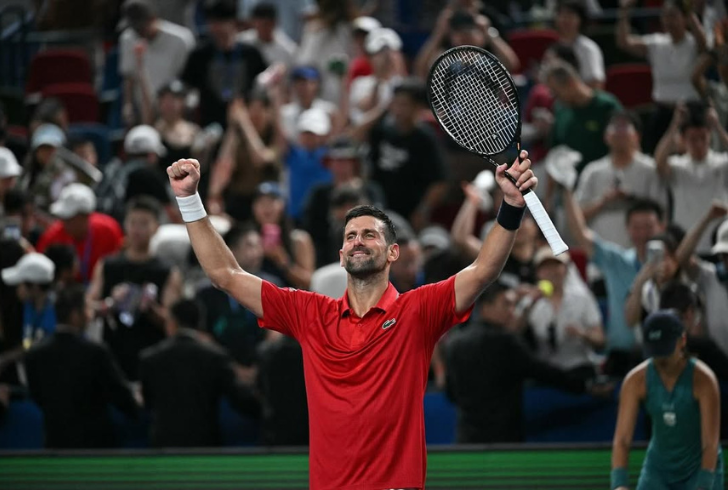
Instagram | @djokernole | Novak Djokovic stays focused on tennis, and his record-breaking wins continue to strengthen his global legacy.
According to journalist Jaschar Dugalic of the German outlet Neue Zürcher Zeitung, Serbian authorities shifted their attention toward Djokovic after his public stance.
Reports indicate that pro-government media outlets criticized him heavily. The Serbian tabloid Informer labeled Djokovic “a disgrace” following his support for the protests. When speculation surfaced that he was considering a permanent move to Athens, the same publication described him as “a false patriot who had presented himself as a symbol of Serbia for years only to now flee to Greece.”
Dugalic also reported that an entrepreneur opposed to the protests released a video attempting to link Djokovic’s father to an alleged pedophile. The move intensified what many observers described as a coordinated smear effort.
These developments marked a rare moment in which Serbia’s most celebrated athlete faced direct public attacks from segments of the domestic media.
Australian Open 2026
While political tension unfolded off the court, Djokovic continued to compete at the highest level.
At 38 years old, he became the oldest player to reach an Australian Open final during the 2026 tournament in Melbourne. His path to the final included a dramatic five-set semifinal victory over Jannik Sinner. The performance drew widespread attention, given both the physical demands of the match and Djokovic’s age.
He later fell in four sets to world No. 1 Carlos Alcaraz in the final. Even so, the run reinforced his longevity and competitive drive on one of tennis’s biggest stages.
What Aleksandar Vucic Said
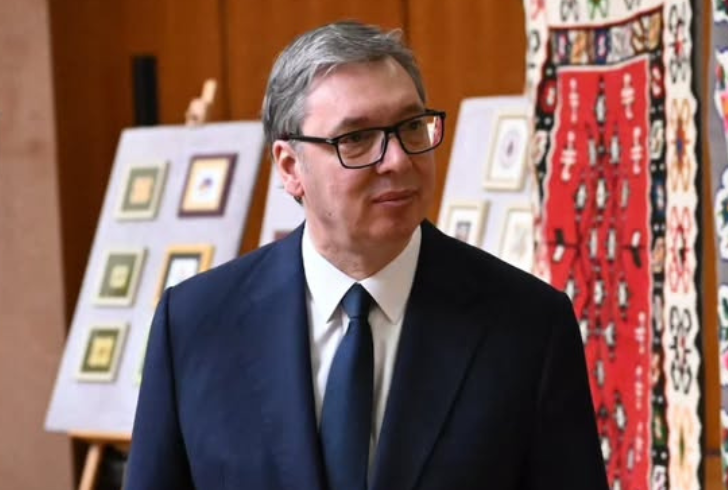
Instagram | @buducnostsrbijeav |Vucic praised Djokovic’s Australian Open performance in a recent TV Pink appearance.
During an appearance on TV Pink, President Aleksandar Vucic addressed Djokovic’s Australian Open campaign. As quoted by Sport Klub, Vucic offered strong praise for the tennis star’s achievements.
“I wholeheartedly support Djokovic and all the people who wear the Serbian tricolour, and [I am] looking forward to his success,” Vucic said.
He continued by highlighting Djokovic’s performance against Sinner: “[He showed] something incredible in those years [in his win against Jannik Sinner]. [He is] the greatest of this time in a difficult and demanding sport.”
Vucic added that his remarks went beyond a simple congratulatory note. “It is much more than a congratulatory message. He represents his country with dignity and makes it popular. Regardless of the result of the final, I support him.”
However, the president also revealed that he had personally spoken with Djokovic. His message carried a firmer tone.
“I told him what I thought, now I would say it in a harsher way, not towards him, but towards the situation we were in,” Vucic stated.
He then made his position clear: “I will not change his beliefs under the influence of any star.”
The comment signaled that while admiration for Djokovic’s athletic accomplishments remains intact, political differences stand separately and firmly.
A National Icon in a Complex Moment
Novak Djokovic has represented Serbia on the global stage for years, frequently carrying the national flag at major events. His status as both a champion athlete and a prominent public figure has defined much of his legacy.
That image has grown more complex. His support for student protests placed him at odds with segments of the political leadership, even as President Aleksandar Vucic continued to acknowledge his achievements in tennis.
Recent developments stretch beyond the court. Backing nationwide demonstrations, relocating to Athens, facing criticism from pro-government media, and receiving direct remarks from Vucic have all unfolded during a period of strong performances on tour.
Vucic’s message reflected both praise and firmness. Djokovic remains Serbia’s most accomplished tennis player, yet political differences have altered the tone of his relationship with the country’s leadership.